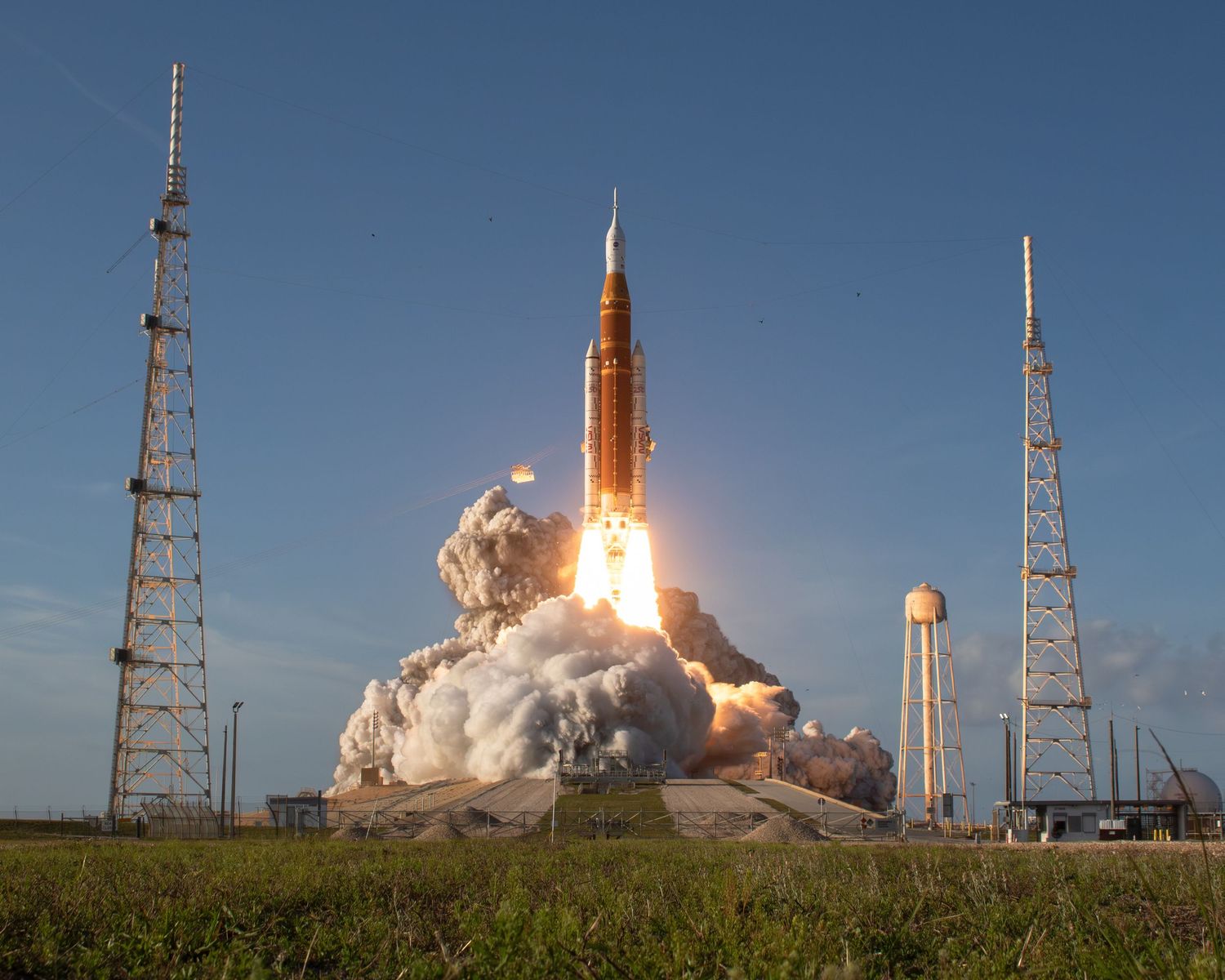
There are moments in spaceflight that feel bigger than the event itself.
Artemis II was one of those moments.
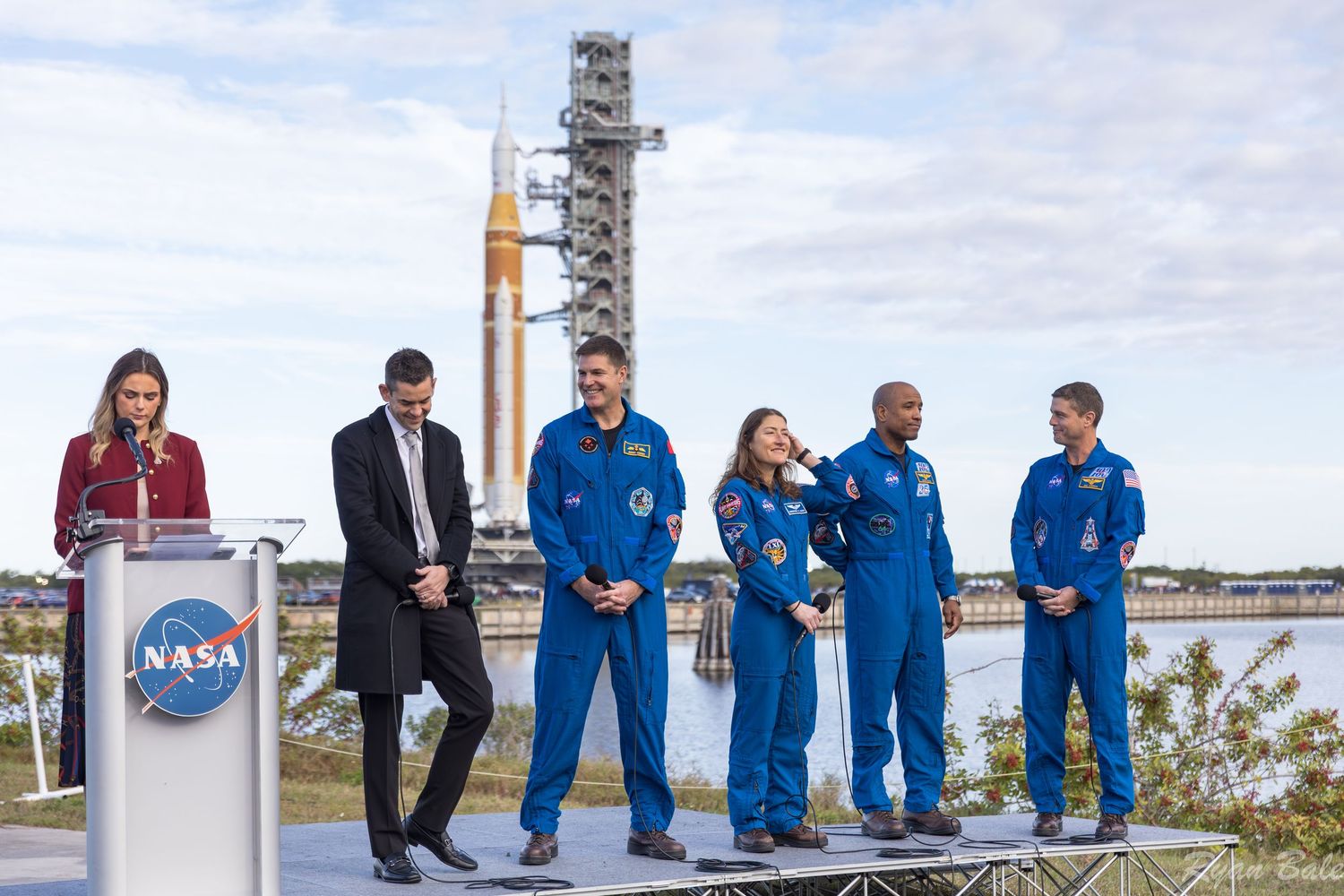
It was not just another rocket launch. It was not just another assignment, another camera setup, another long day chasing light, sound, and timing. It was the first crewed mission around the Moon in more than 50 years, carrying NASA astronauts Reid Wiseman, Victor Glover, Christina Koch, and Canadian Space Agency astronaut Jeremy Hansen aboard Orion on a nearly 10-day journey around the Moon and back.
For RBale Media, covering Artemis II was the kind of experience that sits at the intersection of everything I care about: photography, spaceflight, storytelling, history, and the human drive to go farther.
Remote Cameras at the Launchpad
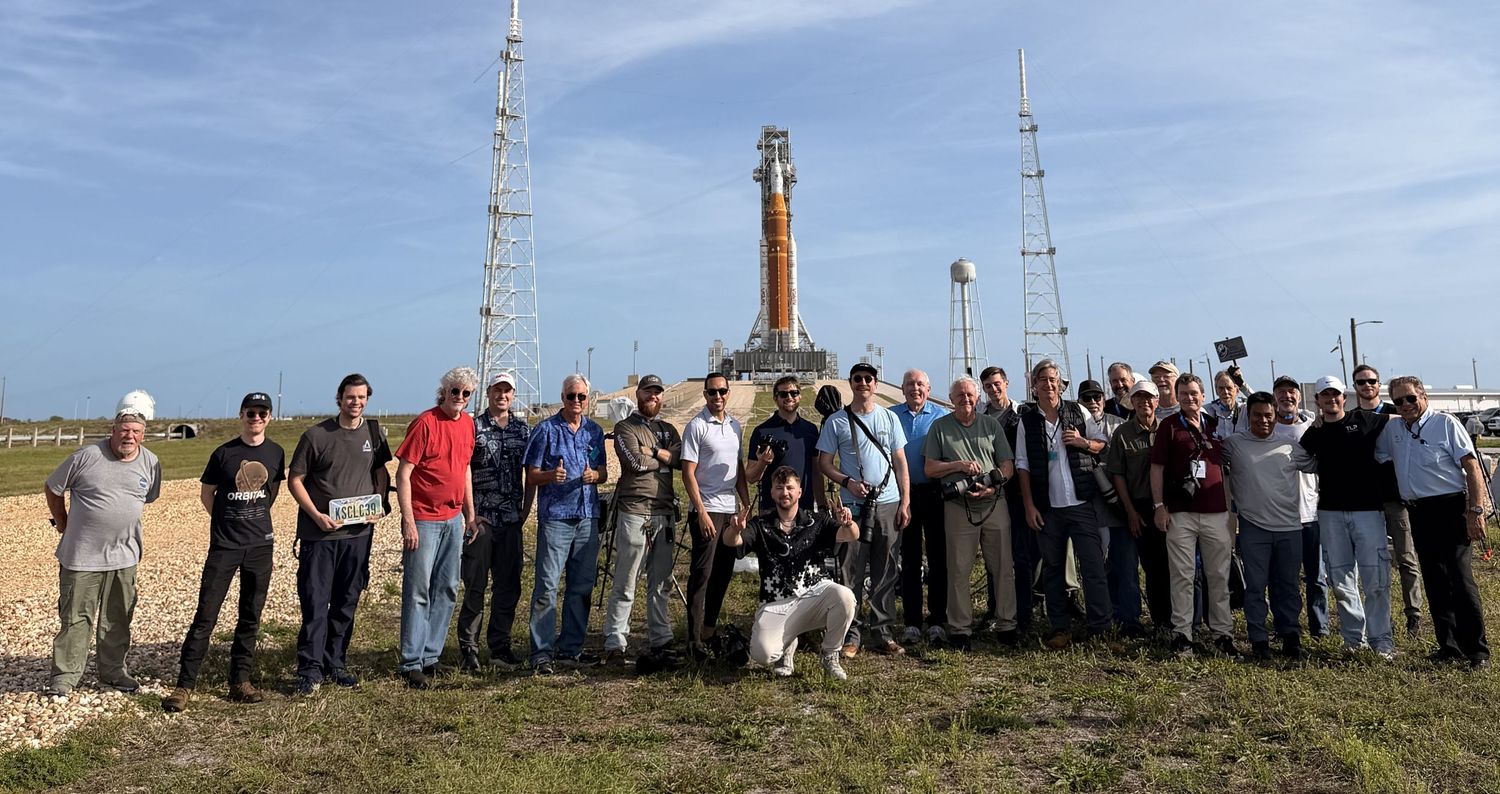
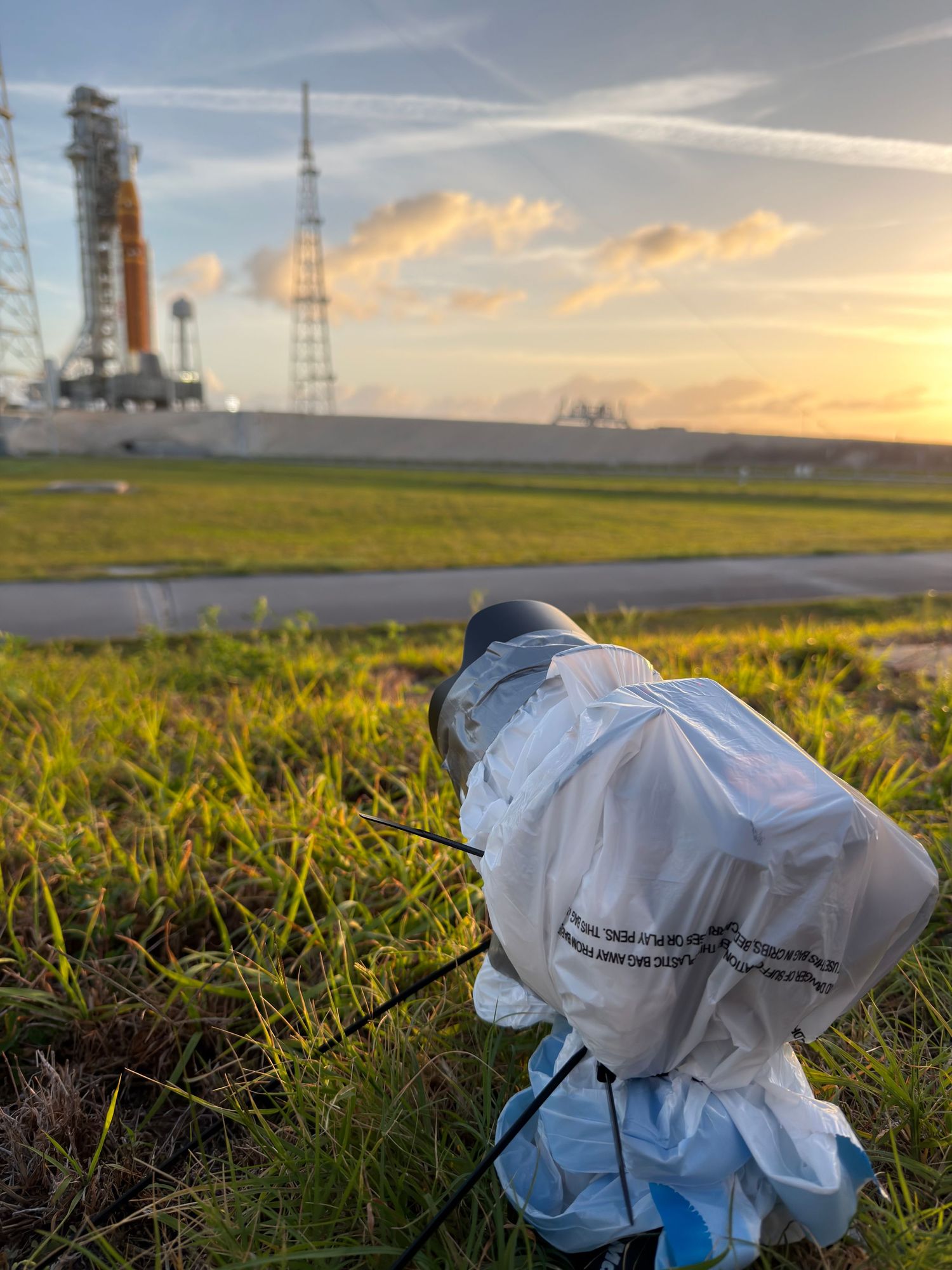
The experience started before launch day, out near the pad, where the scale of Artemis II became impossible to ignore.
Setting up remote cameras near a launchpad is a strange mix of technical discipline and quiet disbelief. You are there to do a job. You are thinking about framing, focal length, exposure, trigger settings, weather protection, timing, batteries, memory cards, and whether every piece of gear will survive the violence of launch.
But then you look up.
The Space Launch System is sitting there with Orion on top, and the reality hits: four people are going to ride this machine away from Earth.
Remote camera setup is one of the few moments where you get to study the rocket without the rush of launch day. Every angle matters. Every camera position becomes a bet on what the vehicle will do when the engines light and the pad disappears into flame, steam, and shockwave. You know there are no second chances. Once you arm the cameras and walk away, the next time you see them, history has already happened.
That is what made this setup different. This was not just hardware. This was the beginning of humanity’s return to deep space with people onboard.
The Astronaut Walkout
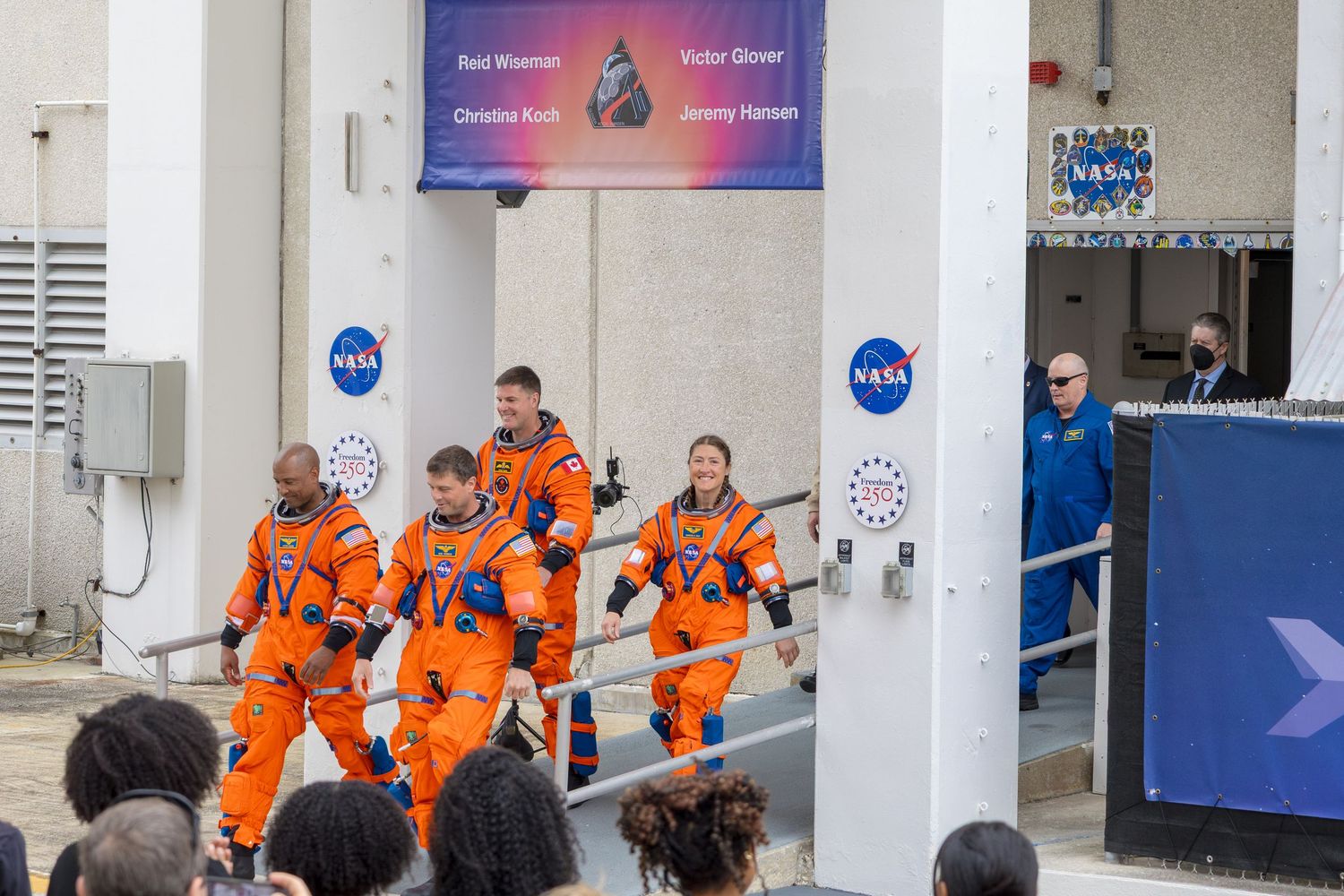
The astronaut walkout gave the mission its human weight.
Launch vehicles are powerful, but astronauts make them personal. Seeing the Artemis II crew walk out toward the vehicle changed the entire feeling of the day. Reid Wiseman, Victor Glover, Christina Koch, and Jeremy Hansen were no longer names in a press kit or faces on a broadcast. They were four people stepping into a mission that millions had waited decades to see.
That moment is hard to describe without sounding dramatic, but it really did feel like watching a bridge between eras.
Apollo had become history. Artemis II made lunar exploration feel alive again.
There was something deeply grounding about the walkout. The suits, the waves, the families, the cameras, the convoy, the controlled pace of everything. It was all highly choreographed, but underneath it was the simple truth that these four people were about to leave Earth, loop around the Moon, and come home.
Launch
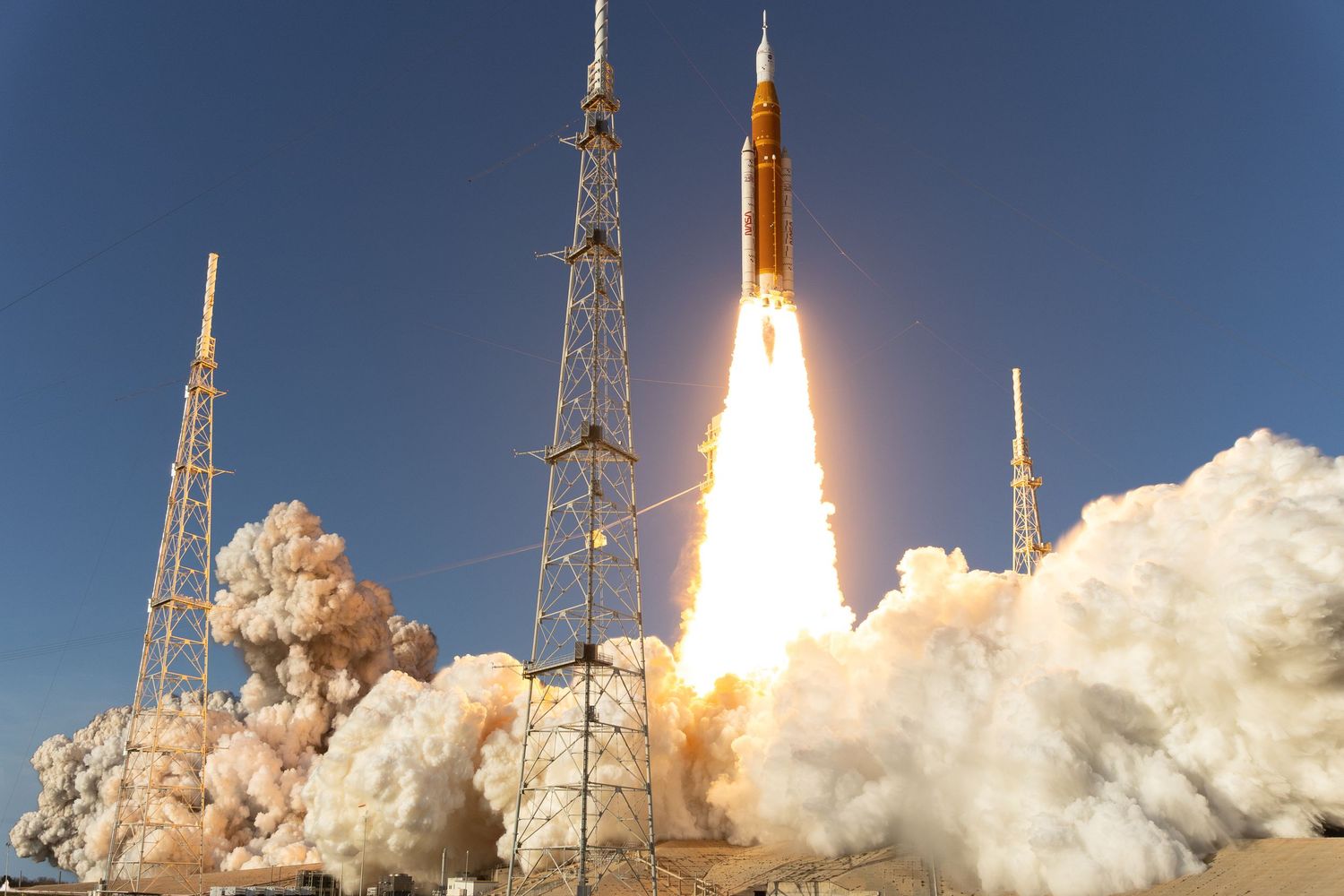
When SLS came alive, the entire scene changed.
There is no way to fully capture a heavy-lift rocket launch in a photo, video, or article. You can show the fire. You can show the shockwave. You can show the rocket climbing into the sky. But you cannot fully translate the way it moves through your body.
Artemis II launched on April 1, 2026, beginning the first crewed lunar mission since Apollo 17 in 1972. The Space Launch System produced roughly 8.8 million pounds of thrust at liftoff, sending Orion and its crew toward a mission that would take them around the Moon and back to Earth.
From behind the camera, launch is both instinct and overload. You are tracking the vehicle, watching your settings, listening to the sound arrive, and trying to stay present enough to understand what you are witnessing.
The rocket cleared the tower and kept climbing.
For a few seconds, the visual part of your brain takes over. Flame, smoke, brightness, motion. Then the sound catches up and the scale becomes physical. It rolls across the press site, across the ground, across your chest. That is when Artemis II stopped being an idea and became real.
Four astronauts were going back to the Moon.
Following the Mission Around the Moon
After launch, the experience did not end. In a way, it expanded.
Most launches are over quickly from the perspective of someone covering them on-site. The rocket leaves, the cameras are retrieved, the photos are edited, the article gets written, and the mission moves into operations.
Artemis II felt different because the story kept unfolding day after day.
Watching Orion travel around the Moon with people onboard made the mission feel personal in a way that uncrewed flights cannot. Every update carried weight. Every image from deep space felt historic. The crew documented the mission from Earth orbit through lunar flyby and return, with NASA later releasing thousands of photos from the flight.
There was something powerful about seeing Earth from that distance again through the eyes of a new generation.
Artemis II was not a landing mission, but it did something just as important: it proved that humans were back in lunar space. It reintroduced the world to the rhythm of a crewed Moon mission — launch, outbound coast, lunar flyby, the far side, the return trajectory, reentry, and splashdown.
It made the Moon feel reachable again.
Around the Moon and Back
The mission ended on April 10, 2026, when Orion splashed down in the Pacific Ocean after nearly 10 days in space. NASA reported the crew was recovered after splashdown, closing out the first crewed Artemis flight around the Moon.
Watching the return was almost as intense as watching the launch.
Launch is about power. Reentry is about trust.
You are watching a spacecraft hit Earth’s atmosphere at extreme speed, protected by a heat shield that has to work perfectly. The Orion capsule came home visibly scorched from reentry, a physical reminder that returning from deep space is just as demanding as leaving Earth in the first place.
When the parachutes deployed and Orion settled into the ocean, the mission became complete. Not just launched. Not just flown. Completed.
Around the Moon and back.
What Artemis II Meant to Me
Covering Artemis II through RBale Media was more than an opportunity to photograph a rocket launch. It was a chance to witness the return of something that had been missing from human spaceflight for more than half a century.
For my generation, the Moon was mostly something we inherited through old footage, museum artifacts, documentaries, and stories from people who watched Apollo live. Artemis II changed that. It gave us our own lunar mission to follow in real time.
Being there for the pad setup, the astronaut walkout, the launch, and then following the crew all the way around the Moon and back made the mission feel complete in a way few assignments ever do.
It reminded me why I started pointing cameras at aerospace in the first place.
Not just because rockets are powerful.
Not just because launches are visually incredible.
But because spaceflight is one of the clearest examples of humanity choosing to do something difficult, uncertain, expensive, risky, and meaningful — simply because the future is worth reaching for.
Artemis II was not the end goal. It was the next step.
And for a few unforgettable days, I got to stand close enough to feel that step shake the ground.