Flying with the U.S. Army Golden Knights: A Once-in-a-Lifetime Experience
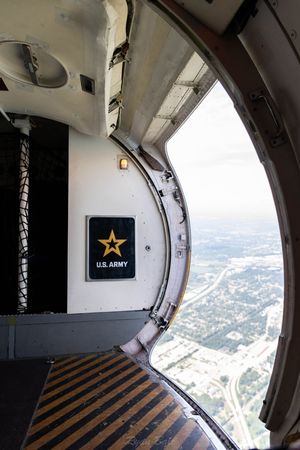
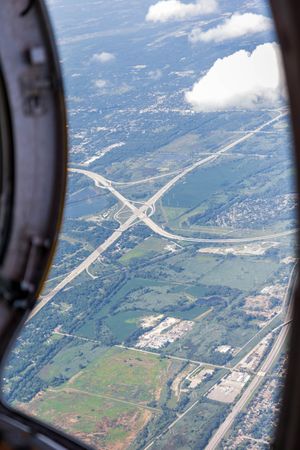
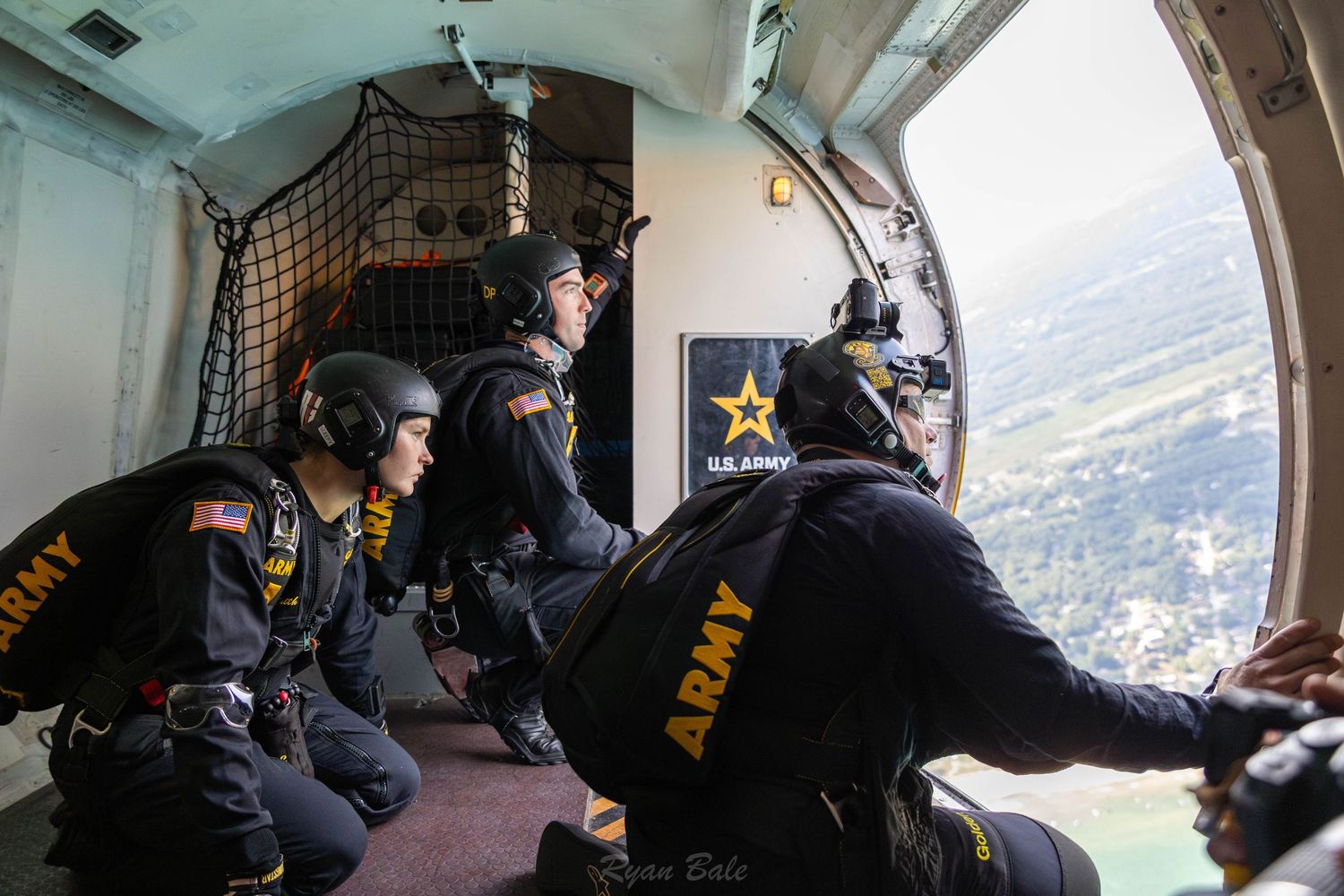
This past Sunday, I had the rare privilege of flying with the U.S. Army’s Golden Knights — the elite parachute demonstration and competition team. Even now, I’m still processing the experience of being in an aircraft at 11,000 feet with the door open the entire time, from the moment we left the runway until we rolled to a stop after landing.
From the moment I stepped onto the flight line, the atmosphere was both professional and welcoming. The team members greeted me with genuine smiles and handshakes, effortlessly blending military precision with warmth. Their focus was unmistakable — every movement purposeful — but there was also a camaraderie that immediately put me at ease.
The Aircraft
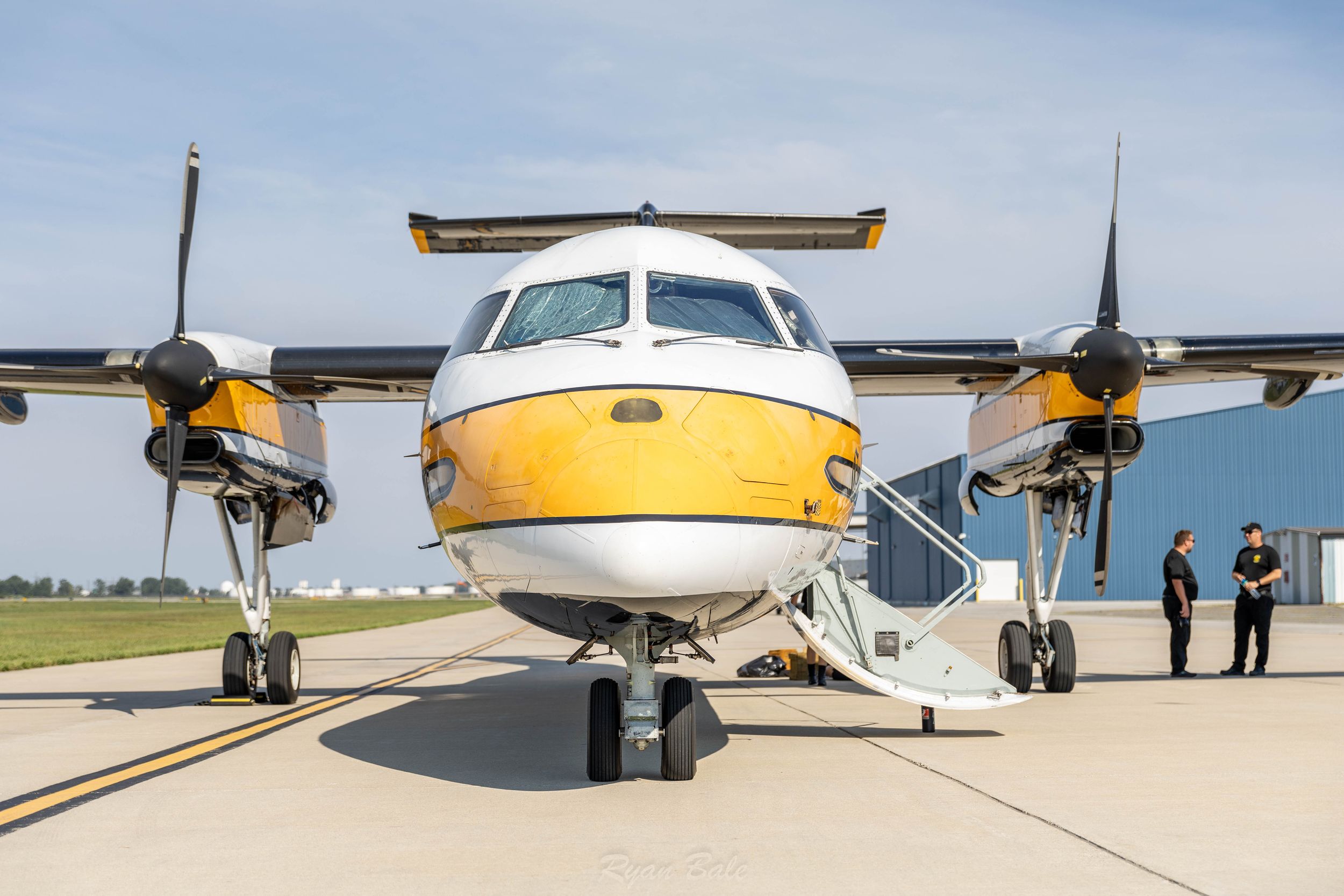
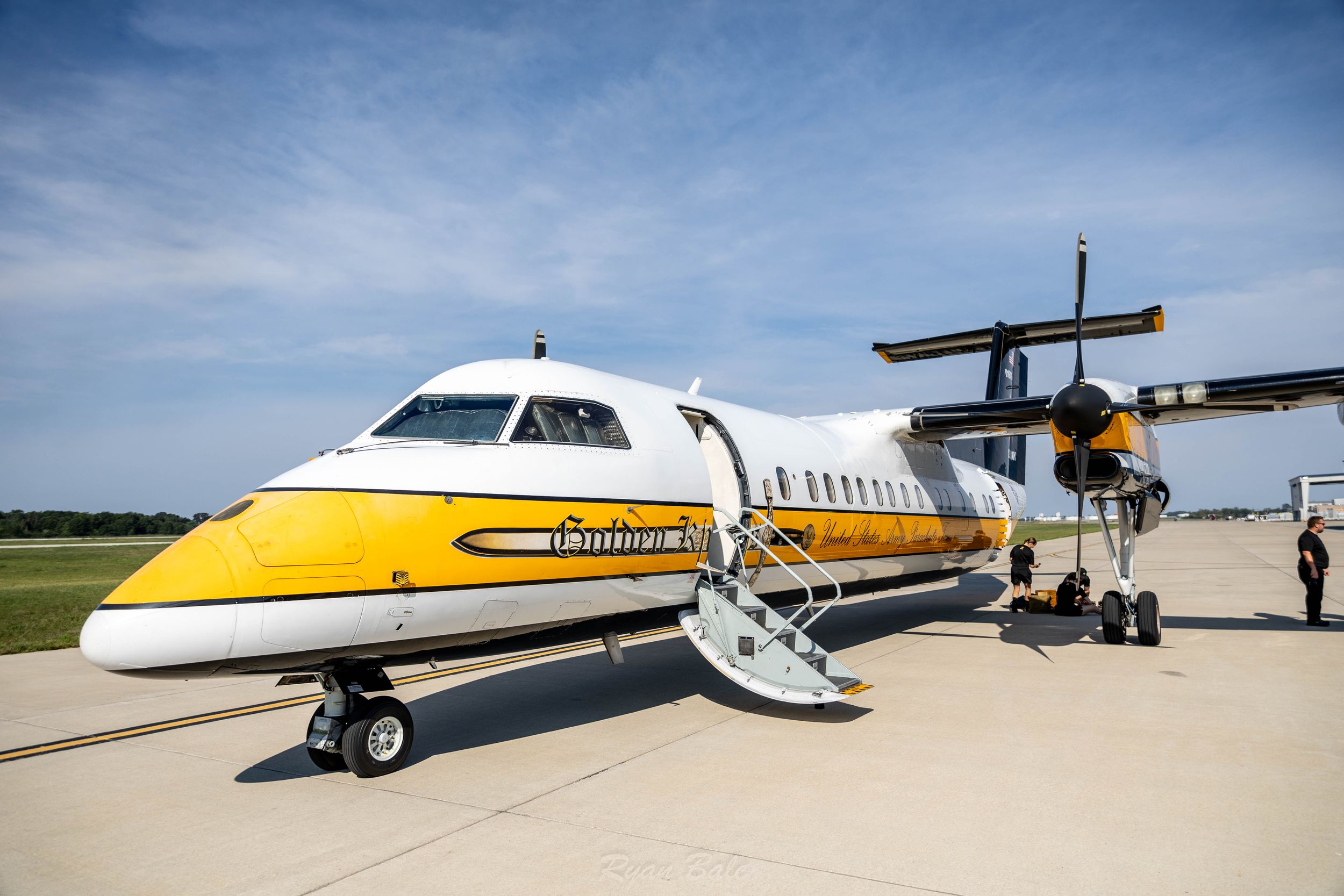
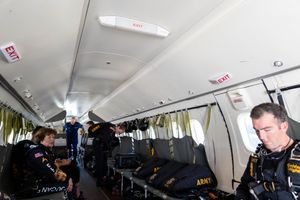
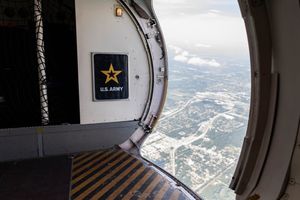
For this flight, we boarded the Golden Knights’ De Havilland Canada Dash 8-300 — a twin-engine, high-wing turboprop airliner originally designed for regional passenger service, but modified for parachute operations. With its spacious interior, high climb performance, and the ability to operate with a massive jump door open for the duration of the flight, it’s perfectly suited for their mission.
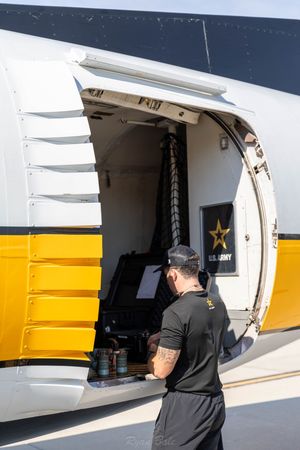
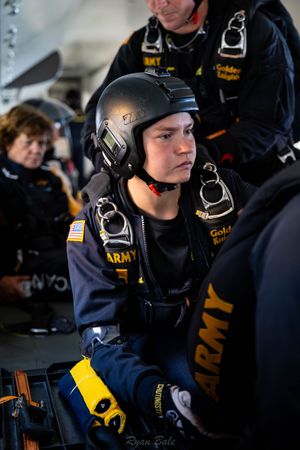
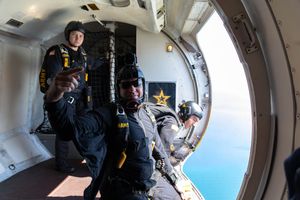
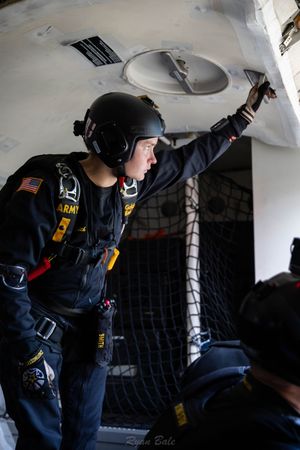
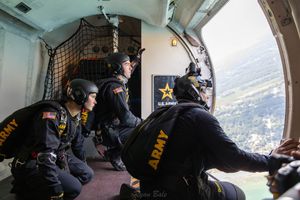
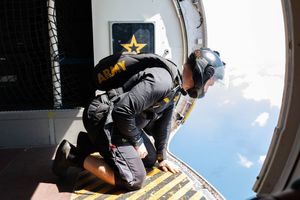
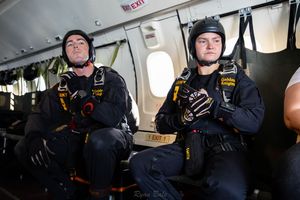
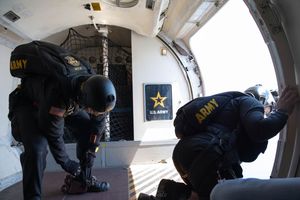
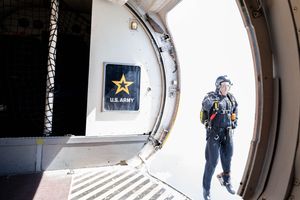
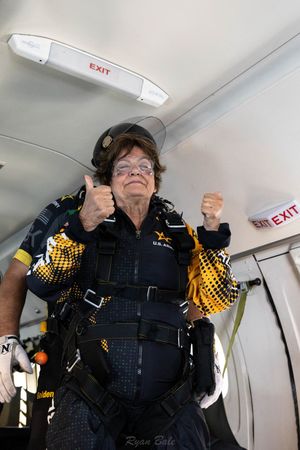
Inside, the cabin was stripped of traditional passenger comforts in favor of functionality: bench seating along the walls, open central space for gearing up, and the yawning side door that stayed open from takeoff to landing. As we accelerated down the runway, wind and engine noise filled the cabin, and the smell of jet fuel mixed with the crisp morning air — a sensory overload that never let up until we were back on the ground.
The Golden Knights
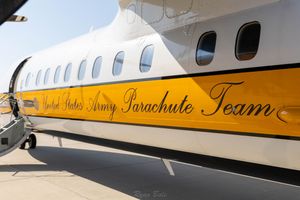
The Golden Knights are the official U.S. Army Parachute Team, founded in 1959. They’ve performed more than 16,000 shows in all 50 states and in over 50 countries, earning a reputation as some of the finest parachutists in the world.
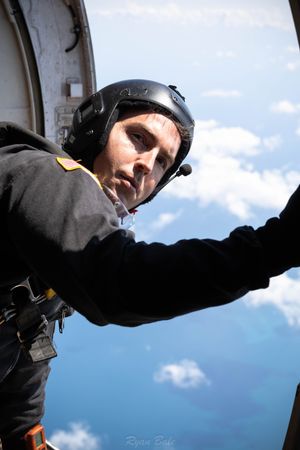
Each member is an active-duty soldier who has completed an intense selection process and advanced parachute training. They serve not only as elite demonstration jumpers but also as ambassadors for the Army, engaging directly with the public to showcase the skill, professionalism, and discipline of America’s soldiers.
The Jump Logistics
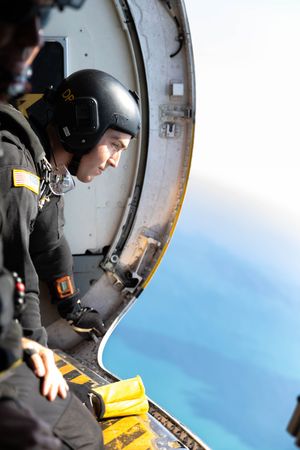
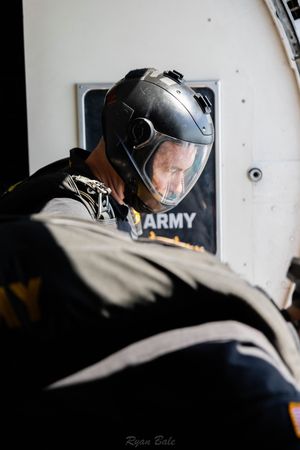
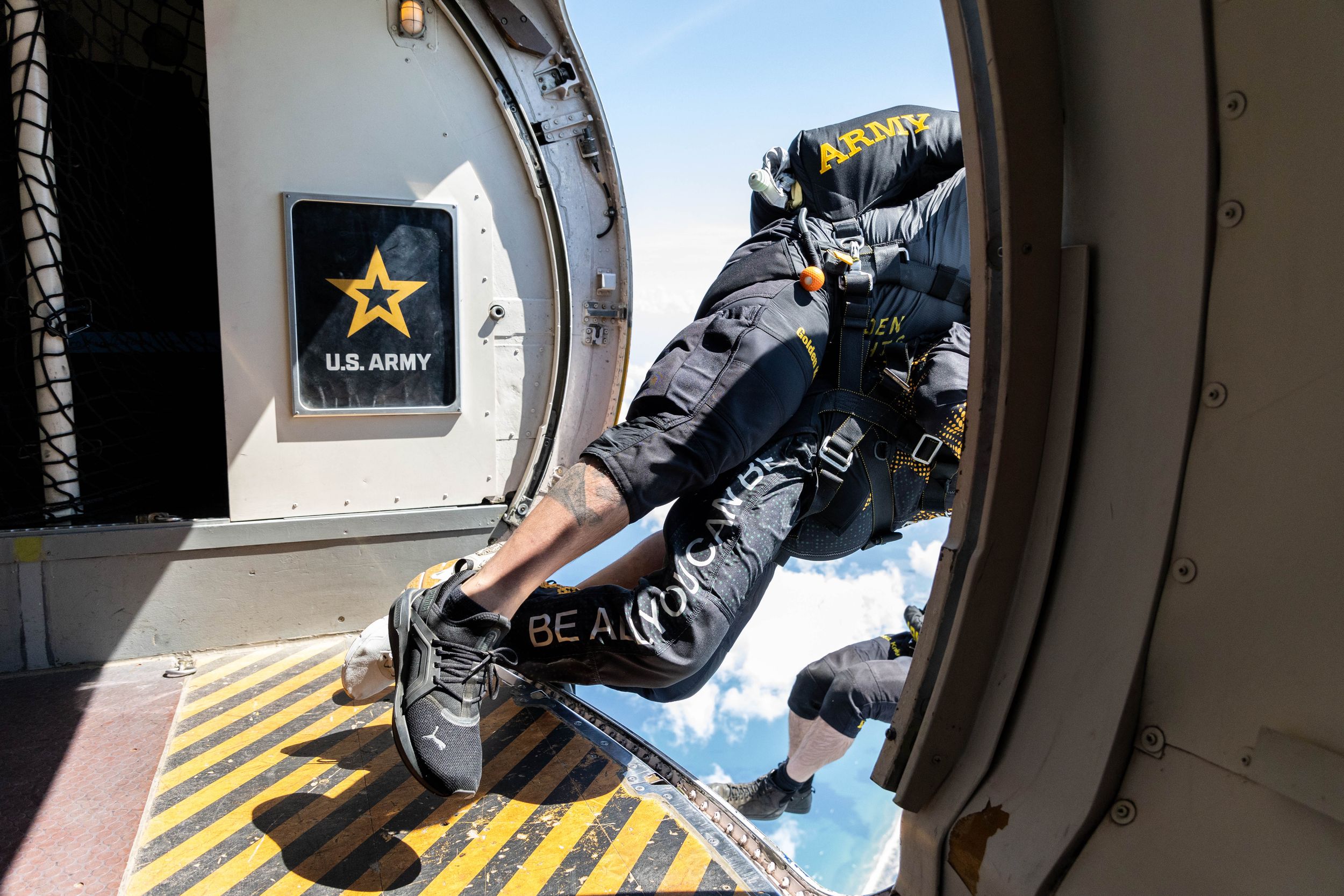
From the moment the wheels left the ground, the aircraft became a working jump platform. The constant rush of air through the open door was a reminder that at any moment, soldiers would step into it without hesitation.
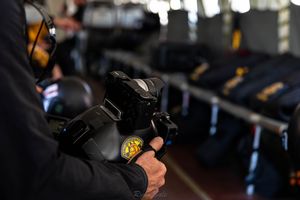
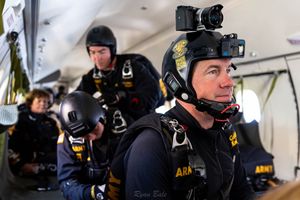
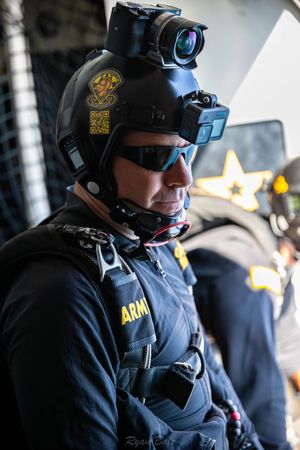
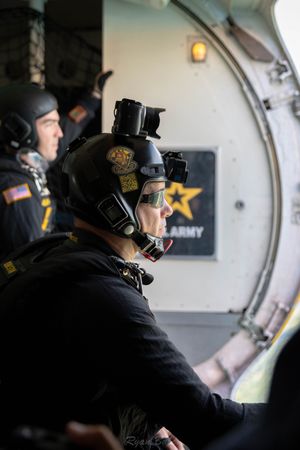
Gear checks were frequent and methodical — helmets on, straps tight, altimeters set. Communication was specific, with precise hand signals and visual confirmations - as well as repeating communications from flight crew to the jump crew in the back of the plane. At altitude, the pilots maintained perfect heading and speed to ensure that every jumper would hit the target zone hundreds of feet below.
During air show performances, jumps are woven into a tightly choreographed schedule alongside fast jet demos, aerobatics, and other acts. The Golden Knights’ precision under canopy, from high-speed swoops to pinpoint landings in front of the crowd, is the direct result of the planning, communication, and discipline I witnessed inside the Dash 8.
Final Thoughts
Flying with the Golden Knights wasn’t just about being airborne, it was about being part of their world, even for a short time. The open door transformed the entire flight into an unfiltered connection with the sky: the constant wind, the raw noise, the unbroken view of the horizon.
Watching these soldiers step into that void with complete confidence was humbling. They made it look effortless, but behind every jump is a foundation of training, teamwork, and trust that’s as solid as the Army values they represent.
For me, being in that Dash 8 from takeoff to landing with the door wide open was more than a thrill — it was an unforgettable glimpse into the life and precision of America’s premier parachute team.