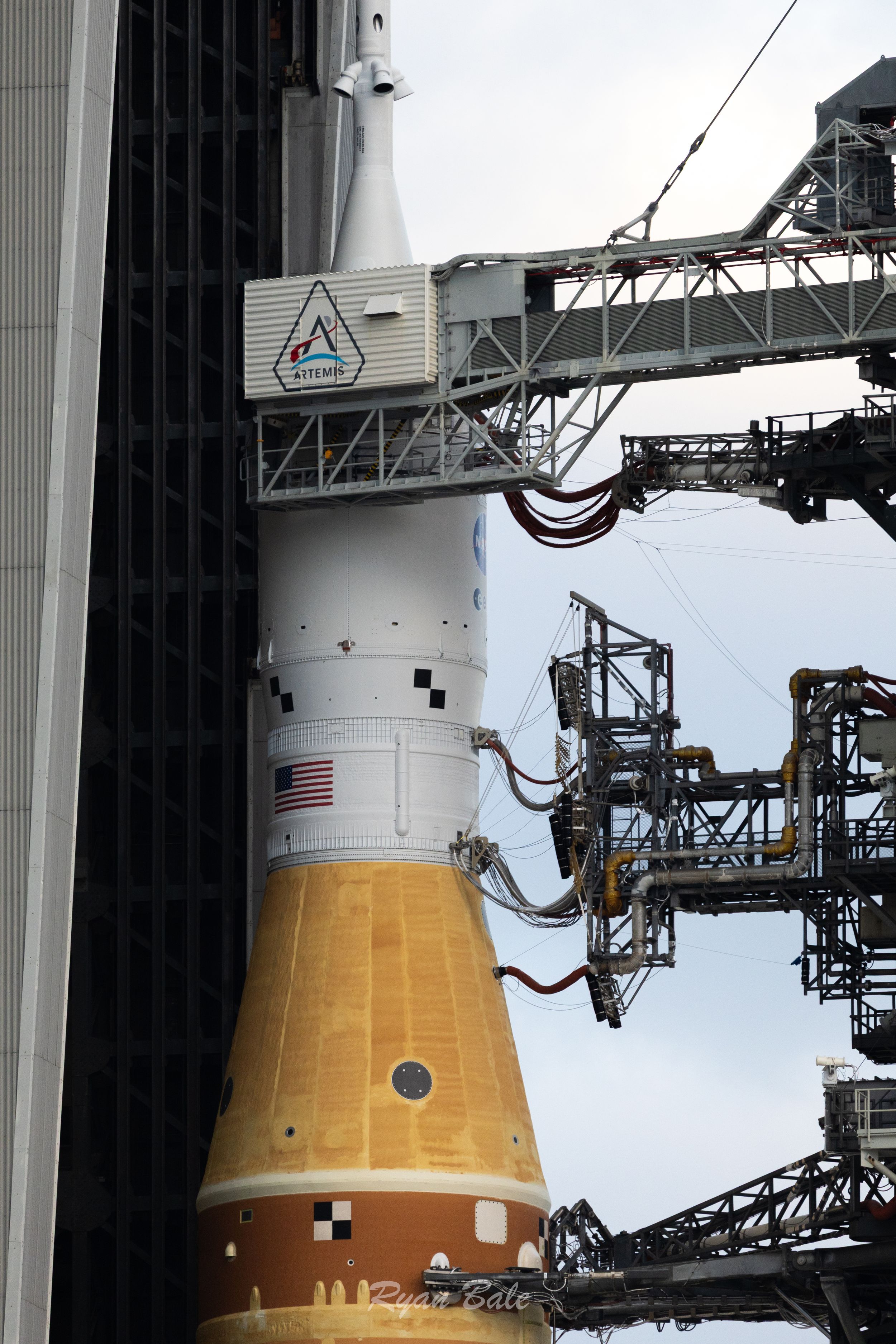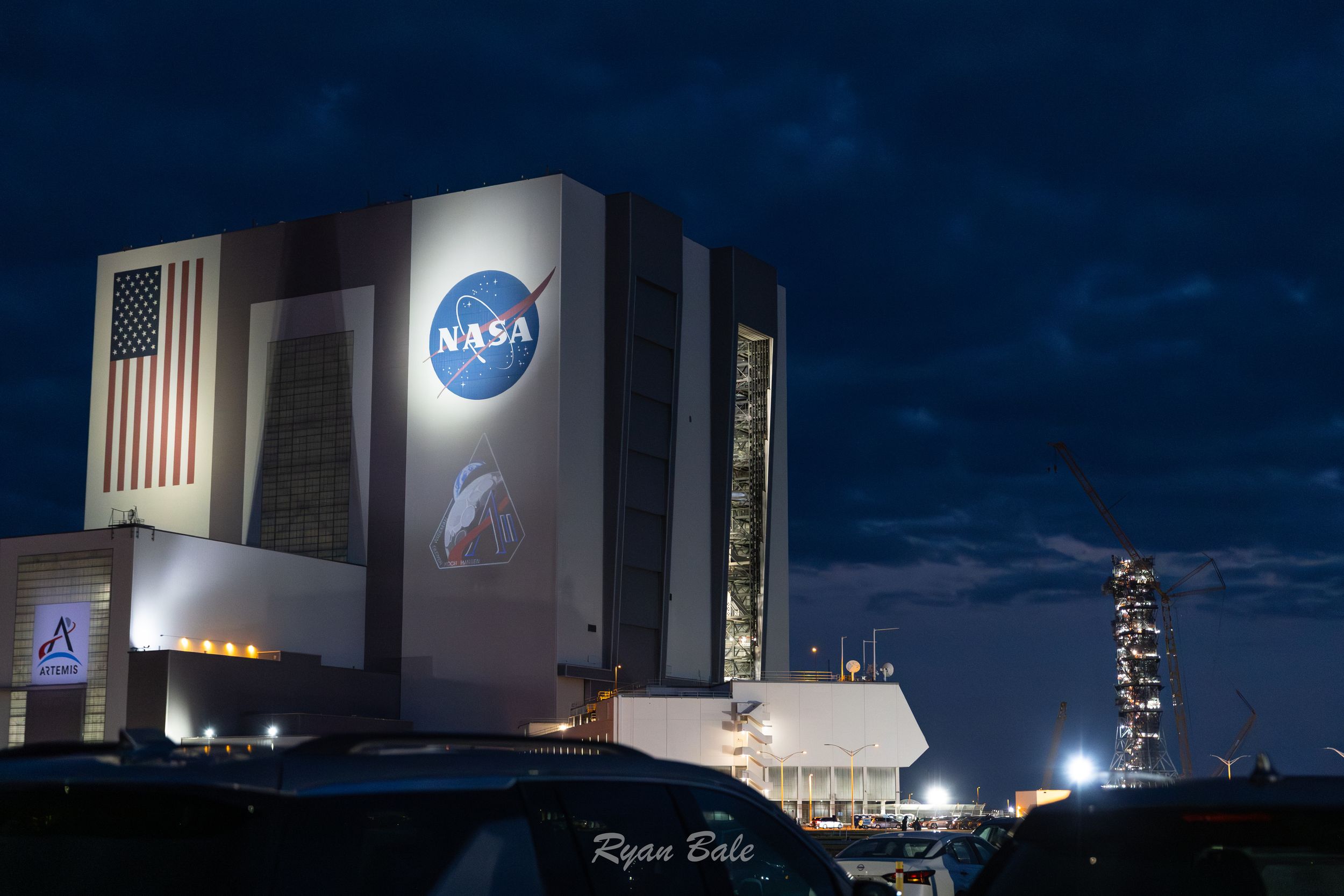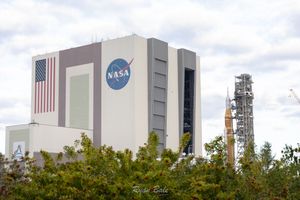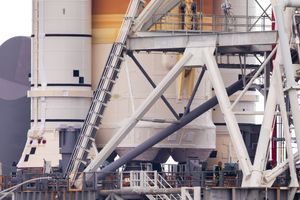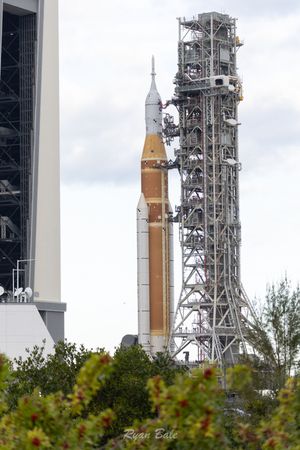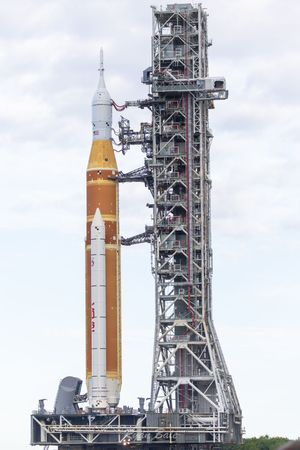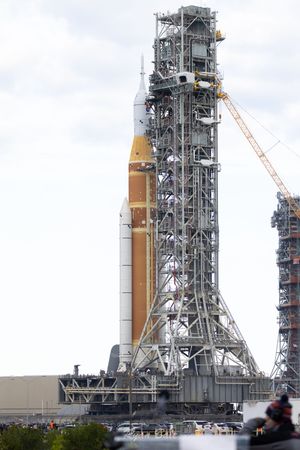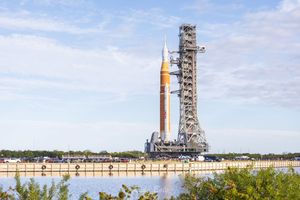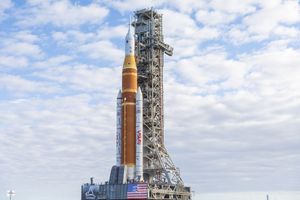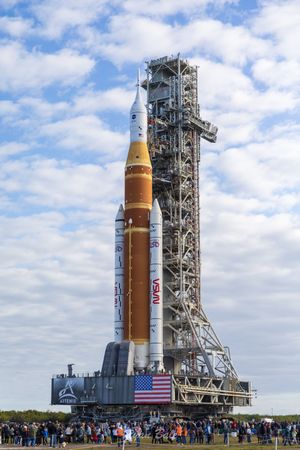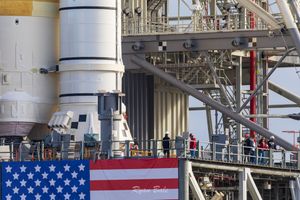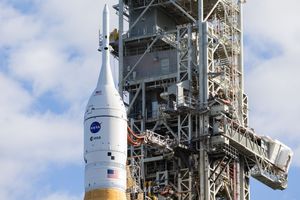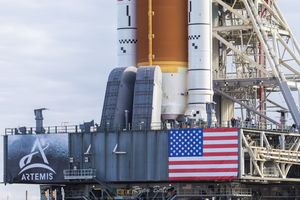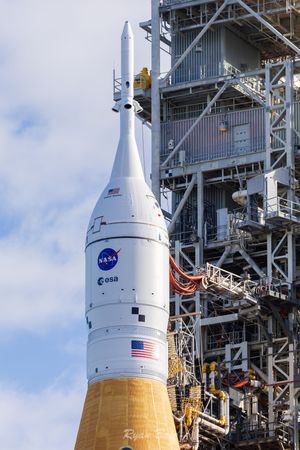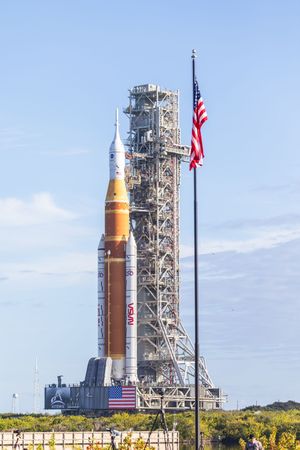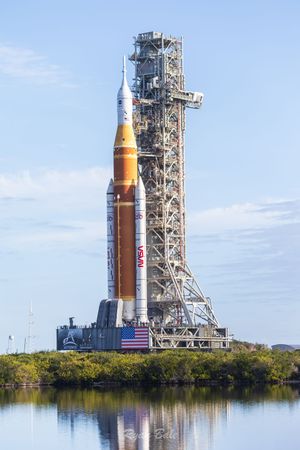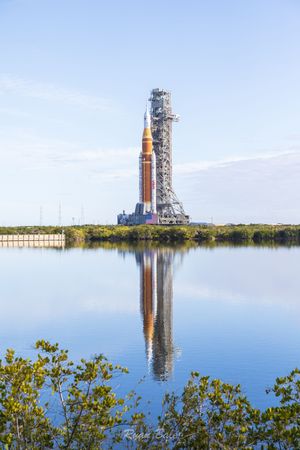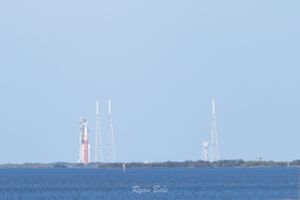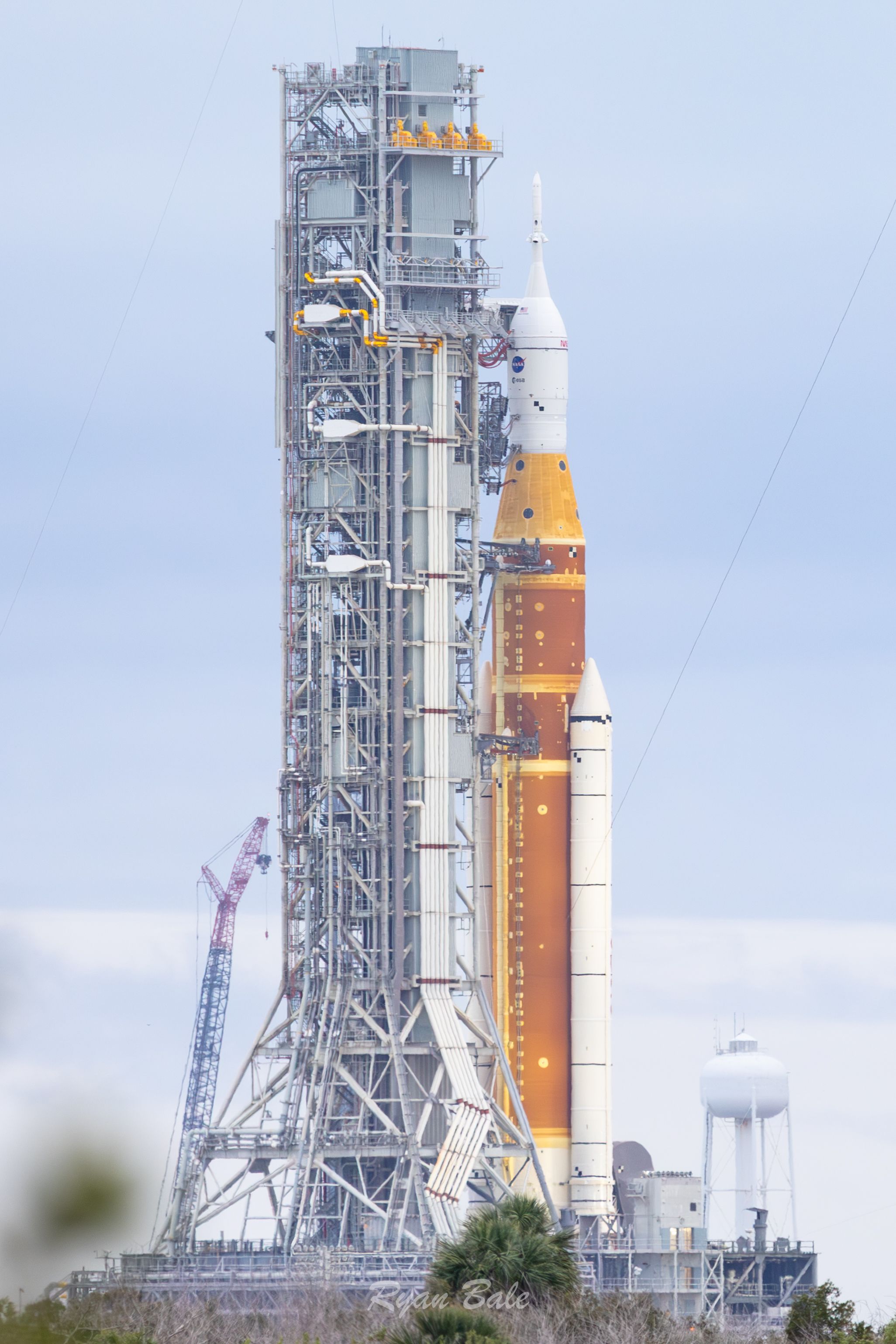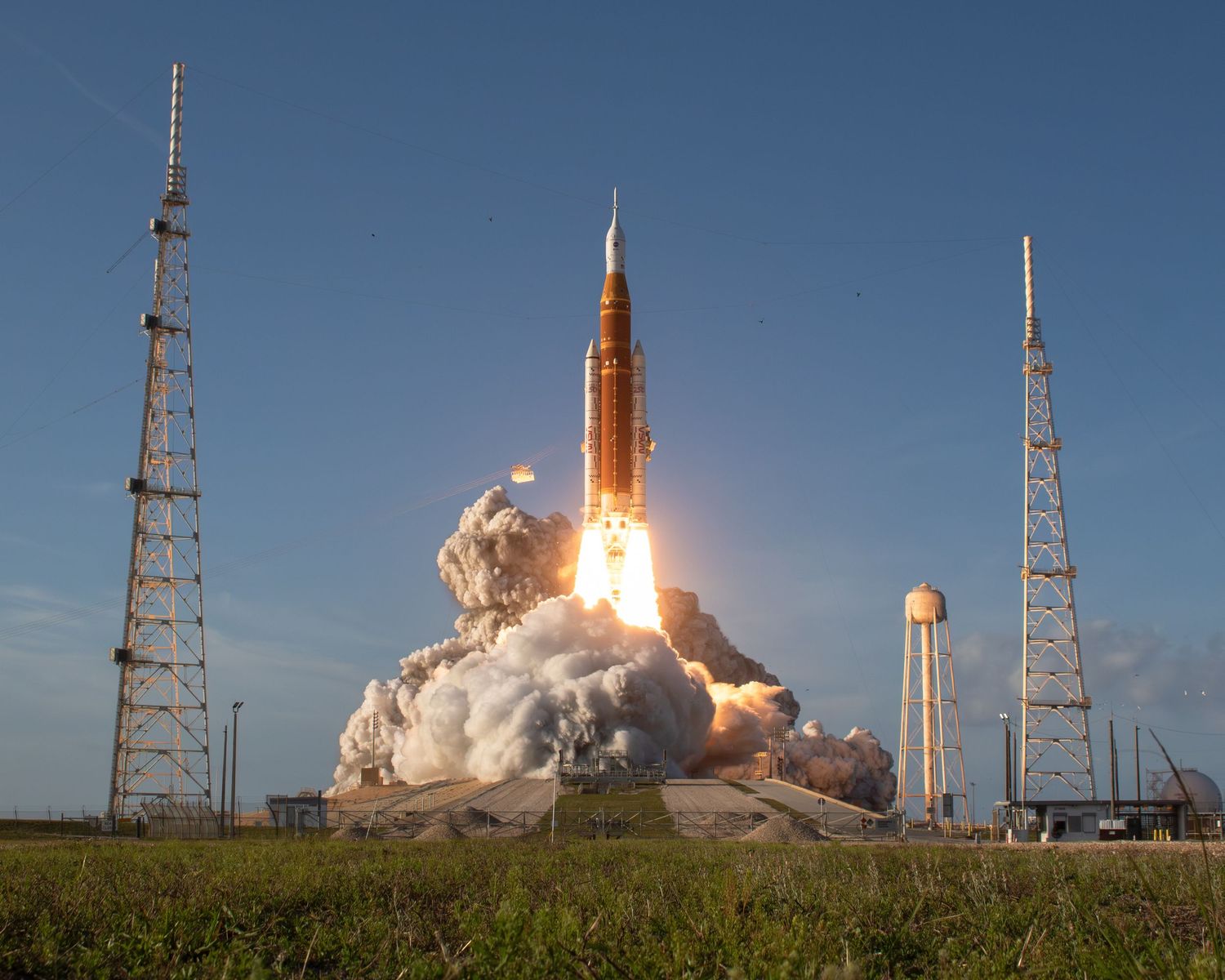
There are moments in aerospace that feel bigger than the hardware in front of you. The rollout of NASA’s Space Launch System for Artemis II was one of those moments.
Watching the fully stacked rocket make its slow journey toward Launch Complex 39B at Kennedy Space Center wasn’t just about a vehicle moving across Florida pavement. It was about the United States stepping back into deep space with crew for the first time in more than half a century.
For RBale Media, documenting this milestone wasn’t just coverage, It was witnessing history in motion.
The Rocket: A Return to Deep Space
Space Launch System is currently the most powerful rocket in operation. Built to send astronauts beyond low Earth orbit, SLS is the backbone of NASA’s Artemis program.
Artemis II will be the first crewed mission of the Artemis campaign. Unlike Artemis I, which flew uncrewed around the Moon, Artemis II will carry four astronauts on a lunar flyby trajectory aboard the Orion spacecraft.
Seeing SLS upright at the pad carries weight. The vehicle represents years of engineering, testing, and national investment. It also represents something more intangible: a renewed commitment to exploration beyond Earth orbit.
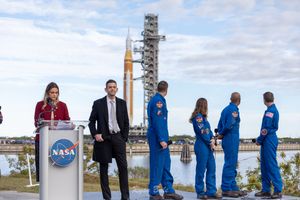
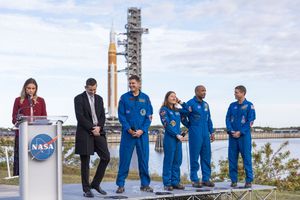
Meet the Artemis II Crew
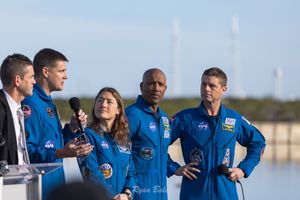
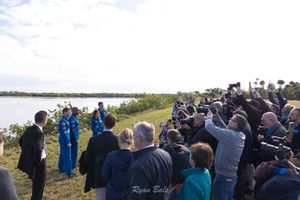
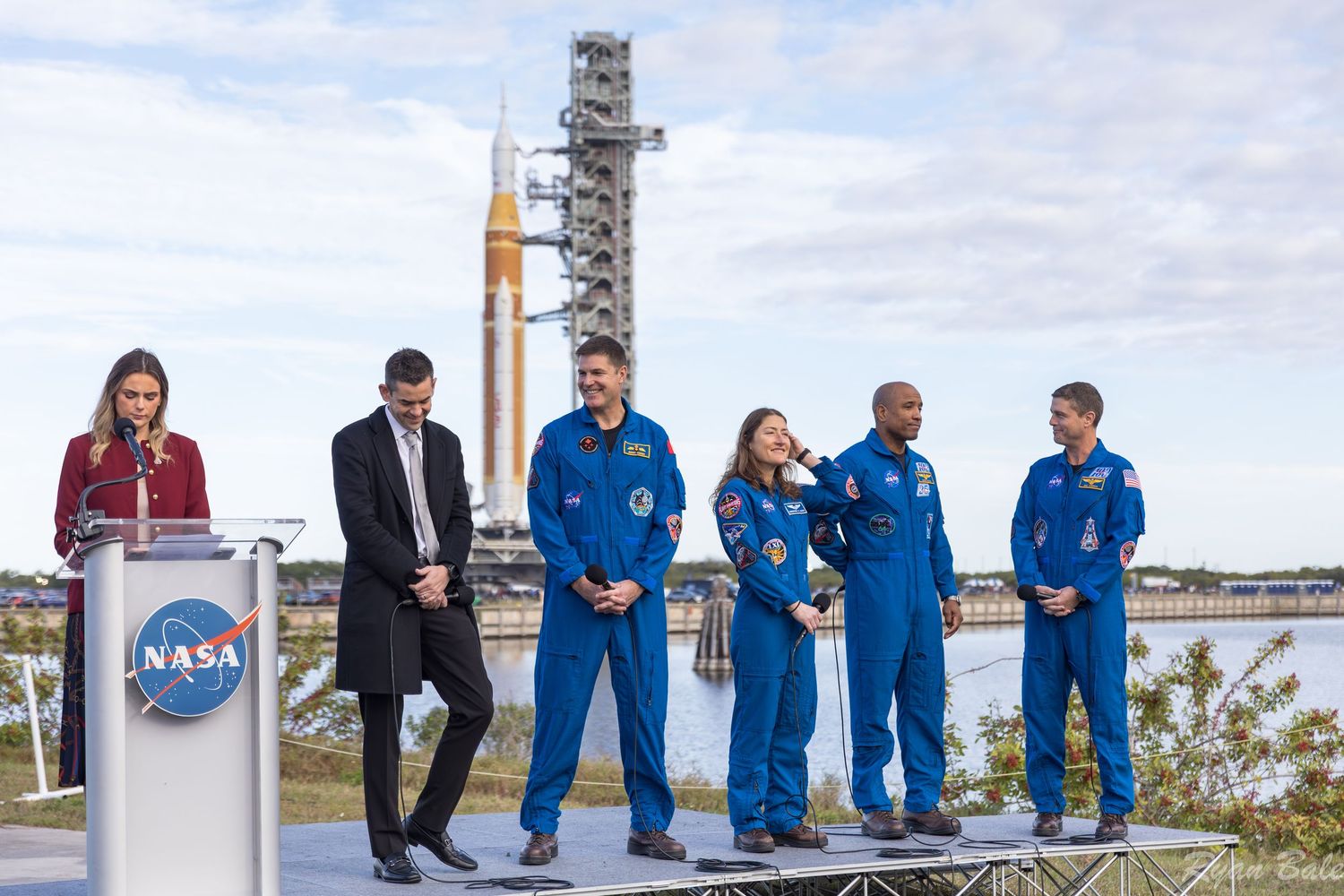
Artemis II will carry four astronauts, each bringing unique experience and perspective to the mission.
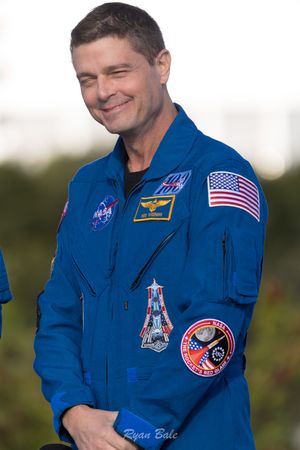
-Reid Wiseman – Commander
A former U.S. Navy pilot and veteran of Expedition 41 aboard the International Space Station, Wiseman brings prior spaceflight experience and leadership to the mission. As commander, he will oversee the overall execution of Artemis II.
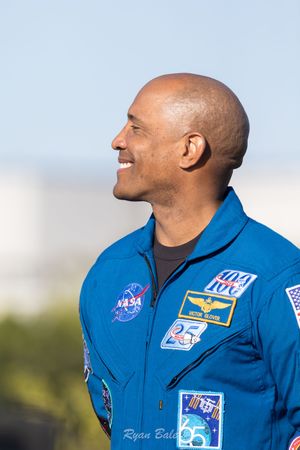
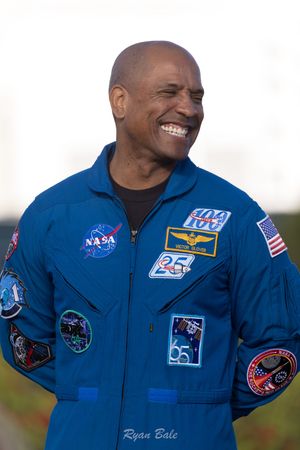
-Victor Glover – Pilot
Glover previously flew on SpaceX Crew-1, becoming the first Black astronaut to serve on a long-duration ISS mission. On Artemis II, he will serve as pilot, managing spacecraft systems and trajectory operations.
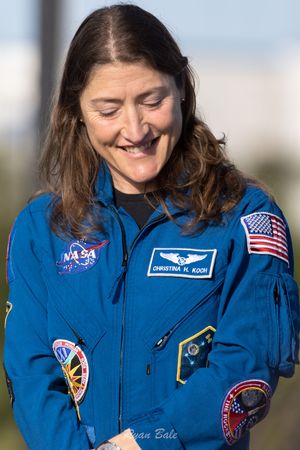
-Christina Koch – Mission Specialist
Koch holds the record for the longest single spaceflight by a woman and participated in the first all-female spacewalk. Artemis II will make her the first woman to travel beyond low Earth orbit.
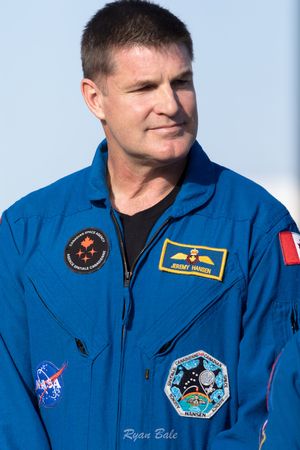
-Jeremy Hansen – Mission Specialist
Representing the Canadian Space Agency, Hansen will become the first Canadian to travel to the Moon. His presence underscores the international partnership central to the Artemis program.
Together, this crew reflects experience, diversity, and international cooperation. Artemis II is not just an American mission. It is a global step forward.
Why Push These Boundaries?
Human exploration has always required risk, discipline, and long-term vision. Artemis II is not simply a repeat of Apollo. It is a systems validation mission for deep space human operations in the 21st century.
The mission will test:
- Life support systems beyond Earth orbit
- Deep space navigation and communications
- Crew operations in lunar-distance environments
- High-speed reentry from lunar return trajectories
Every data point collected on Artemis II feeds forward into future missions, including sustained lunar surface presence and eventual Mars expeditions.
Pushing these boundaries expands more than geographic reach. It expands capability. Technologies developed for deep space missions often cascade into terrestrial innovation, from materials science to medical monitoring systems.
What It Means for the United States
The Artemis program signals that the United States intends to remain a leader in human spaceflight.
For decades after Apollo, human missions remained in low Earth orbit. While the International Space Station proved invaluable for science and international cooperation, it did not extend humanity’s physical presence deeper into space.
Artemis changes that trajectory.
By committing to lunar missions with sustainable infrastructure in mind, the United States is investing in:
- Strategic leadership in space
- Long-term scientific research beyond Earth orbit
- Commercial partnerships with private industry
- Workforce development in engineering and advanced manufacturing
The presence of international partners, including Canada through the Canadian Space Agency, demonstrates that U.S. leadership means building coalitions around shared exploration goals.
Standing at the Pad
As the rocket rolled toward the pad, illuminated against the Florida sky, it felt like more than a mechanical operation. It felt like a line being crossed.
For RBale Media, documenting Artemis II’s rollout was a reminder of why exploration matters. These missions are statements of intent.
Humanity is not finished exploring.
And the United States is not finished leading.